Byline: By Munawar Choudhuri
Imagine being told your mother tongue is illegal overnight. For the Bangladeshi community, Ekushey February (21st February) is a day to honor the martyrs who in 1952 gave their lives just for the right to speak Bangla.
Munawar Choudhuri looks at the complexities of what it means for today’s British Bangladeshis, where the struggle for language and identity remains as relevant as ever in our multicultural schools and streets.
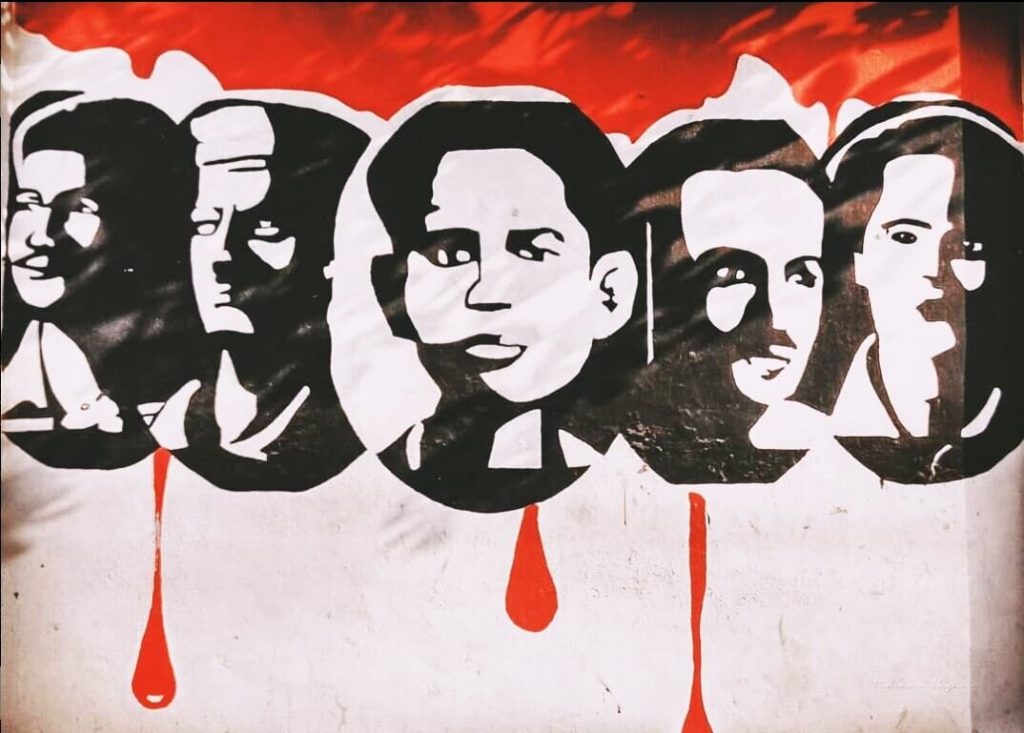
How can I forget the 21st February – soaked with the blood of my brother?
Imagine an Act of Parliament declaring English as the only official language in the UK—banning all other languages, say, Welsh for example, as of tomorrow. All the road signs in Wales changed to English only – no more Araf (Slow) or Ysbyty (Hospital) or gwasanaethau (Motorway service). All Government websites only in English – brushing aside half a million Welsh speakers.
Now imagine University students organise protests but these are banned. Then, on 21st February, they arrange a huge march in defiance of the ban – but several students and innocent bystanders are killed by the authorities.
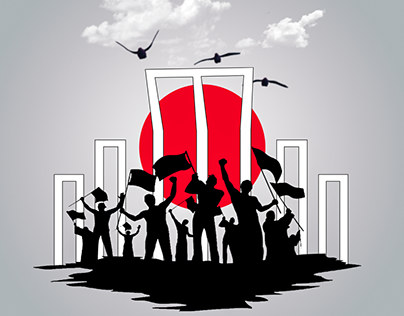
How can I forget the 21st February – soaked with the blood of my brother?
That day would surely be remembered as a revolutionary but bloody day; a day of Martyrs who laid down their lives for their mother tongue—the language that defines their ancestry, inheritance, and ethnicity.
Imagination is not needed, however. In 1948, the government of Pakistan declared Urdu to be the sole national language of Pakistan, even though Bengali (or Bangla) was spoken by the majority of people across East and West Pakistan.
How can I forget the 21st February – soaked with the blood of my brother?
On 21 February 1952, police fired on protesters in Dhaka who were demanding Bengali be recognized as a state language. This led to several deaths, including Abdus Salam, Rafiq Uddin Ahmed, Abul Barkat, and Abdul Jabbar. Abdul Awal and Ohidullah, a 10-year-old boy, were also killed on February 22nd.
Their deaths sparked the Language Movement and a day of national mourning ever since – 21st February, or ‘Ekushey’ February. Millions visit the monument—the Shaheed Minar in Dhaka—barefoot, wearing black badges, and laying wreaths in memory of the martyrs. The monument is replicated all over Bangladesh in schools and towns, and even in Altab Ali Park, Whitechapel, East London.
How can I forget the 21st February – soaked with the blood of my brother?
The Language Movement went on to inspire the Mass Uprising of 1969 and the armed struggle that culminated in Bangladesh’s existence as an independent country in 1971. Now, more than ever, for first, second, third, or even fourth-generation immigrants, the issues around culture and identity hang over their heads as prominently as the Union Flags flying at half-mast.
The fact that over 30–50 languages are spoken at many primary schools in the UK is a cause for celebration for those who honour the Martyrs of the 21st February, but commiseration for the “half-mast flag brigade.” In 1999, UNESCO proclaimed 21 February as International Mother Language Day, officially observed worldwide since 2000 to promote linguistic and cultural diversity.
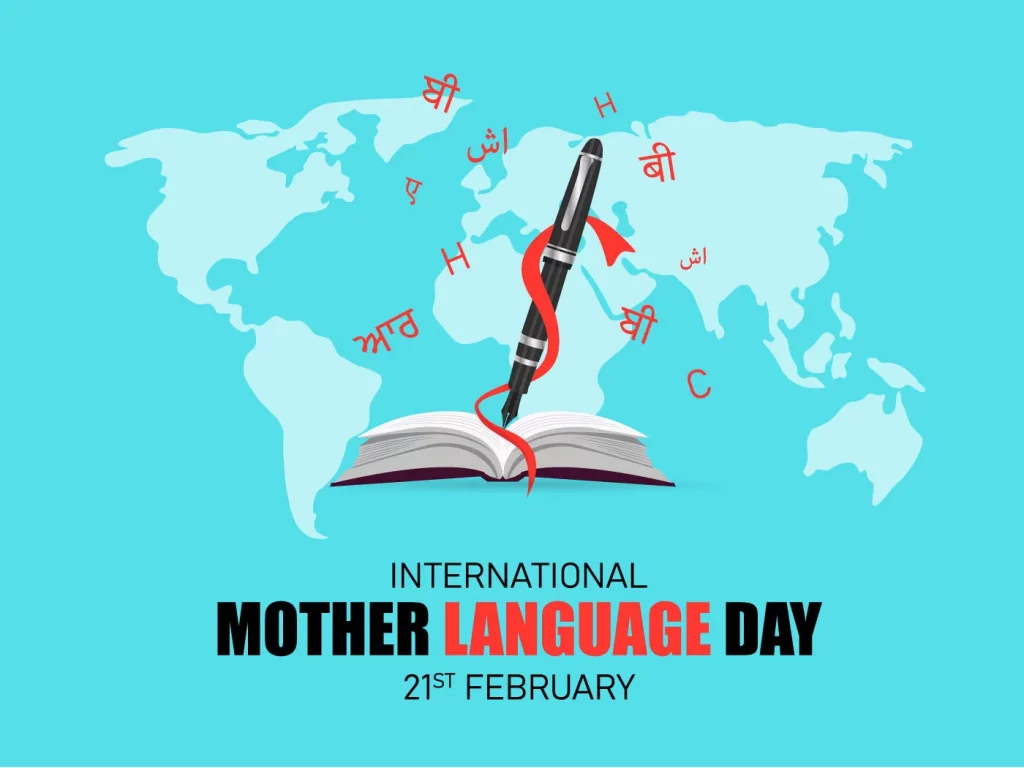
How can I forget the 21st February – soaked with the blood of my brother?